

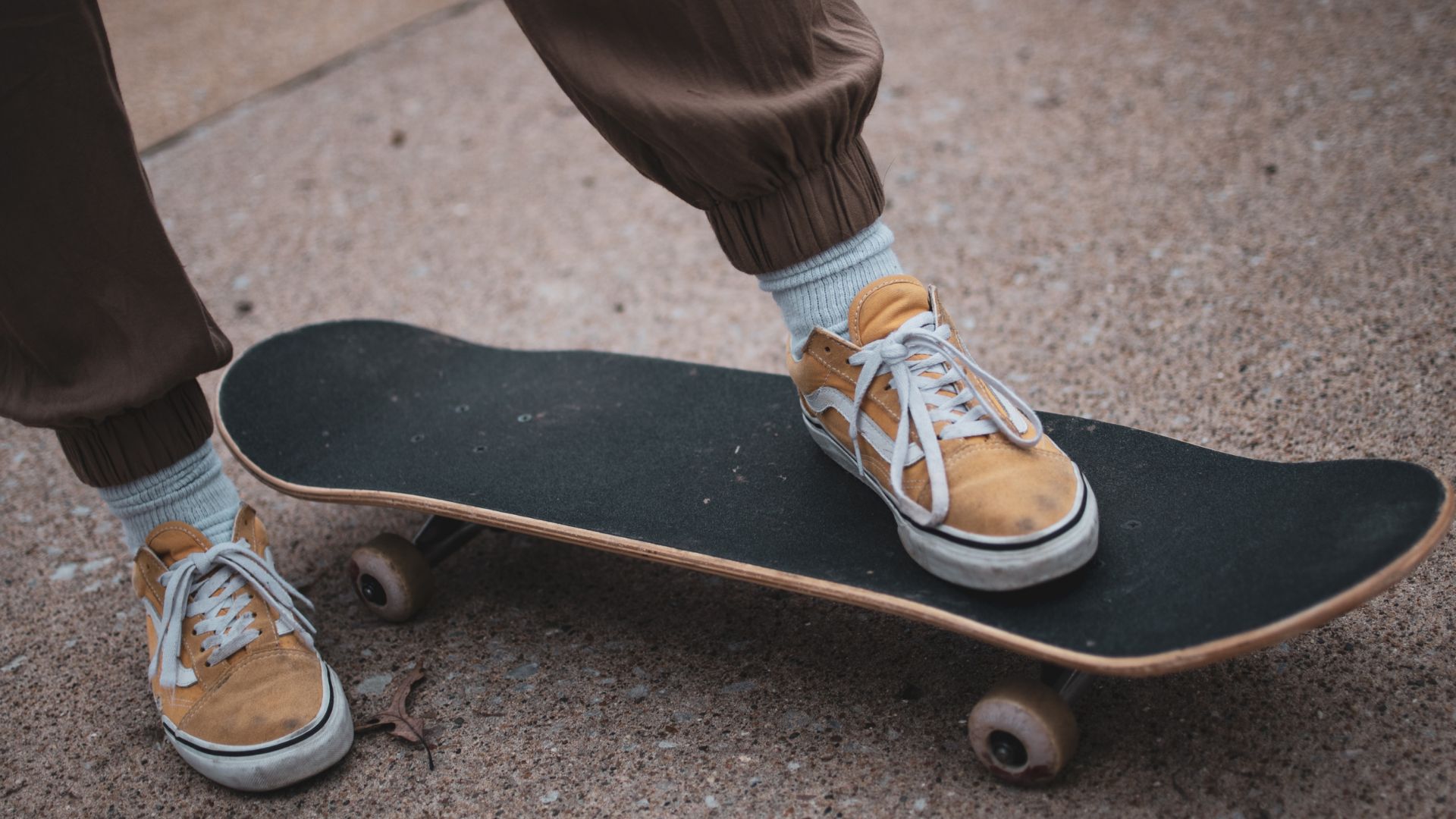
You always hope that you are not going to get into an accident on your bike or skateboard, but it happens. Before this occurs, the best thing to do is learn California’s laws for bikes, e-bikes and skateboards.
Bicycles
In California, bicycles are not considered to be vehicles. But their riders are required to follow the rules of the road just like motor vehicle drivers.
When traveling slower than motor traffic, bicyclists must ride as far to the right as possible. They may take up the entire lane under the following circumstances:
- They are traveling at the speed of traffic
- There is no one else around them
- They are preparing to make a turn
- They are overtaking another vehicle and passing
- They are avoiding unsafe conditions
- They are in a lane that is too small to share
- They are avoiding a lane that requires them to turn
One-Way Lanes
If two or more lanes are for one-way traffic, bicyclists must ride as close to the left-hand curb as possible.
Bicycle Lanes
Bicyclists must ride in the bicycle lane unless they are riding at the speed of traffic. The exception is when they are passing a vehicle, avoiding lanes that require turns, avoiding debris or hazards in the street or preparing to make a turn.
Riding on the Sidewalks
Bicyclists are permitted to ride on the sidewalks. When they do, they are required to allow pedestrians the right of way.
E-Bikes
According to California’s new e-bike law, an e-bike is a bicycle that has pedals that are operable. It also has an electric motor that increases a human’s power. The motor offers less than 750 watts of power.
The new law defines the following types of e-bikes:
- Category 1 E-Bike This e-bike reaches a maximum of 20 miles per hour, and the rider must pedal it.
- Category 2 E-Bike This e-bike reaches 20 miles per hour without the rider having to pedal. Instead, it uses a throttle that is located on the handlebars.
- Category 3 E-Bike This e-bike can reach a speed of 28 miles per hour, and the rider must pedal to operate it.
The Rules of the Road
- E-bike riders are subject to the rules of the road, including state and local ordinances, posted speed limits, local traffic laws and proper passing etiquette.
- Riders 17 years of age and under must wear helmets.
- Riders of type 1 e-bikes and type 2 e-bikes may take their e-bikes on Class 1 and Class 4 bikeways. Type 3 e-bikes are not allowed unless they are close to the roadway. They may also ride on these bikeways if the local authorities allow their presence.
Skateboards
The following regulations apply to skateboard users in California.
- Skateboarders must obey all stop signs and traffic lights.
- A skateboarder must yield to motor vehicles when at a stop sign. They must also yield to pedestrians at crosswalks, whether they are marked or not.
- Skateboarders are not allowed to obstruct the flow of traffic. A bicycle or a motor vehicle must not tow them at high speeds. When skateboarders are in the bike lane, bicyclists have the right of way. They are not allowed to move into the path of a moving vehicle.
Skateboard Protective Equipment
While California law only requires skateboarders under the age of 18 to wear a helmet. All users should consider the following safety equipment to protect themselves from injury.
- Elbow Pads and Knee Pads Any fall can result in serious injury to your knees or elbows, so wear elbow pads and knee pads every time you ride.
- Wrist Guards These protect your wrists from breakage if you fall forward. The American Academy of Orthopedic Surgeons states that a wrist injury is the most common injury for skateboarders.
- Helmets Every skateboarder must wear a helmet that fits properly. It doesn’t matter how old you are!