In California, where sunshine and surf often steal the spotlight, there’s another reality playing out quietly behind shelter doors and veterinary clinics: animals in medical crisis, rescues stretched thin, and lifesaving treatment hanging in the balance because of cost. Enter Waggle, a 501(c)(3) nonprofit crowdfunding platform that has become a vital bridge between animals who need urgent medical care and the people who want to help them survive.
Waggle.org isn’t just another fundraising site. Its model is built on trust and transparency: the platform partners only with verified rescues, shelters, and veterinary providers, and donations go directly toward an animal’s medical treatment. No vague promises, no money disappearing into the ether, just real dollars paying real vet bills to save real lives. In a state as vast and complex as California, that clarity has made all the difference!
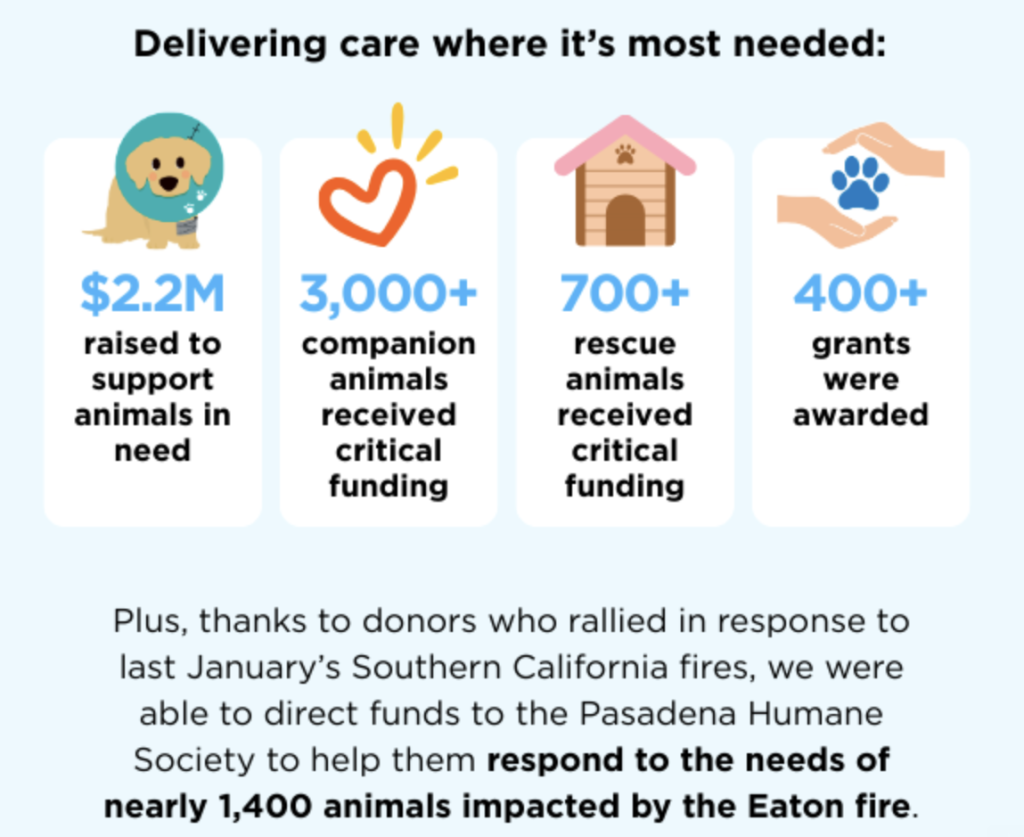
The scale of Waggle’s impact is already impressive. Last year in 2025 alone, the platform raised more than $2.2 million and helped over 3,000 animals access care they might not otherwise have received. But according to Megan Ballinger, Waggle’s Manager of Rescue & Shelter Growth, the organization is just getting started. Looking ahead, she shared, “In 2026, our goal is to meaningfully expand the number of pets and animal welfare organizations we can support—while continuing to protect donor trust through a highly transparent, verified model.”
That expansion isn’t just about bigger numbers. It’s about tackling one of the most painful phrases in animal welfare: economic euthanasia. As Ballinger put it, Waggle is focused on “reducing ‘economic euthanasia’ by ensuring cost isn’t the reason a treatable condition becomes a tragic outcome.” In California, where veterinary costs continue to rise and shelters face unprecedented overcrowding, that mission feels especially urgent.
Waggle’s footprint across the Golden State is wide and diverse. The organization supports animals from major metro areas to rural communities that often lack resources. Ballinger explained that California is “consistently one of the biggest areas of need due to the sheer volume of animals requiring care and the rising cost of veterinary treatment.” Waggle works directly with a long and growing list of rescue and shelter partners, including 3 Eye Blind Rescue, Akira Animal Rescue, Acton Up Kitten Rescue, Goatlandia Farm Animal Sanctuary, and Ace of Hearts Dog Rescue, among many others.
On the veterinary side, Waggle collaborates with emergency and critical care hospitals, specialty and referral centers, general practice clinics, high-volume spay/neuter programs, and even university teaching hospitals when advanced diagnostics are required. It’s a statewide ecosystem designed to make sure that when an animal is in crisis, there’s a clear, trusted path to help.
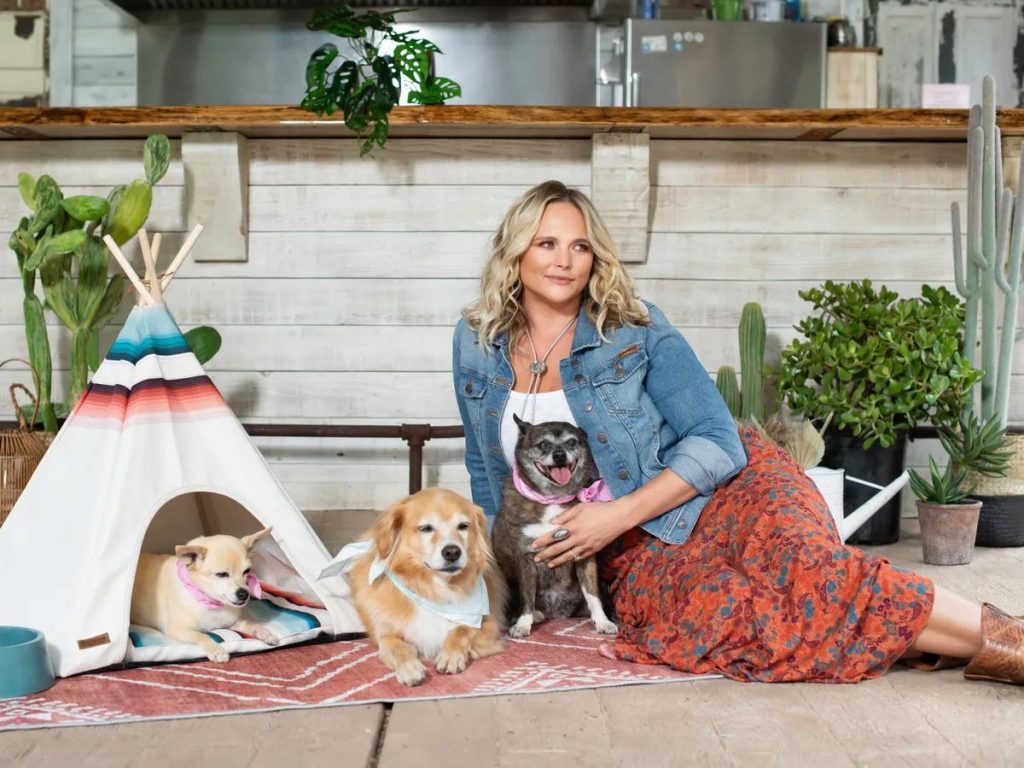
Part of Waggle’s ability to reach more people has come from meaningful partnerships, including one with country music star Miranda Lambert and her nonprofit MuttNation. According to Ballinger, “Miranda Lambert and MuttNation have been meaningful partners of Waggle because they genuinely show up for people and pets in a practical, direct way—especially when someone is facing an overwhelming medical bill for an animal they love.”
Through the Miranda Lambert’s MuttNation Fund at Waggle, support is directed to “the Love Harder dogs—dogs that are easy to love but hardest to get adopted: bully breeds and mixes, seniors, specially-abled dogs with disabilities, and larger breeds.” In California’s current shelter crisis, where overcrowding has hit alarming levels, Ballinger noted that “this type of support couldn’t be more needed,” adding with a smile that big dogs—especially bully breeds—hold a special place in her heart. These partnerships don’t just bring in funds; they amplify stories, widen awareness, and remind people that compassion can be both heartfelt and practical.
Right now, California needs that compassion more than ever. “California is facing a severe, unprecedented animal shelter crisis,” Ballinger said, pointing to extreme overcrowding and limited resources. The result is devastating: higher euthanasia rates for treatable or otherwise healthy animals simply because shelters are out of space, time, or money. For Waggle, that reality shapes where support is most urgently needed—emergency medical cases, last-minute pulls from local shelters, and the essentials required for long-term care, particularly in rural areas.
For Californians wondering how to help, Waggle offers multiple, accessible paths. People can donate directly to a rescue animal’s campaign, ensuring their contribution goes straight to medical care and recovery. Many campaigns also include wishlists, allowing supporters to send food, supplies, and enrichment items that help rescues stretch limited funds further. Fostering is another critical lifeline; as Ballinger emphasized, with overcrowding rising, “a safe temporary home can be the difference between a pet getting a second chance or running out of time.” Even sharing fundraisers can move the needle, while purchases from the Waggle Shop or joining ongoing monthly giving through Waggle’s FureverFund provide steady, year-round support.
Ask Ballinger which California story has touched her most, and her answer lands with emotional weight. “One story I can’t stop thinking about is Mama Marva,” she said, referring to a shepherd mom cared for by 3 Eye Blind Animal Rescue. Marva’s case was harrowing: a 2–3 inch wire—later discovered to be a piece of a coat hanger—had penetrated her chest cavity, requiring a CT scan, emergency thoracotomy, and partial lung lobectomy. Vets also found healed wounds and bullet fragments throughout her body, along with a congenital heart defect that will need future surgery.
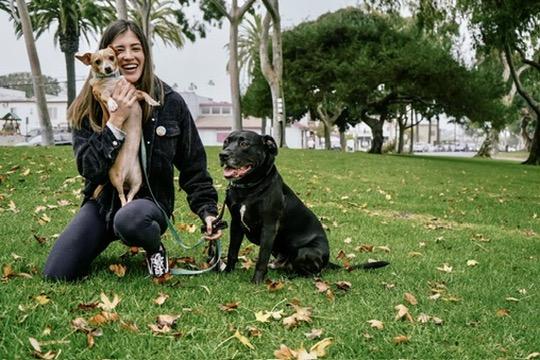
“What touches me most is how many people it takes to save one life like hers,” Ballinger reflected. “The rescue stepping in, the medical team doing complex work, fosters making space, and donors turning panic into actual treatment. That’s the part that stays with me—because it’s real, and it’s what ‘community’ looks like in animal welfare.”
That same sense of community surfaced in a very different crisis when the Palisades Fire destroyed the headquarters of Ace of Hearts Dog Rescue. Though all the dogs were evacuated safely, the rescue faced immediate chaos—relocating animals, mobilizing volunteers, and taking in additional dogs impacted by the fires who needed urgent medical care. Their Waggle campaign closed with hopeful updates on pups like Baguette, Baer, Fumble, and Oreo, proof that even after something unthinkable, recovery is possible when people come together.
In a state as large and complex as California, Waggle has become more than a platform—it’s a connective tissue linking rescues, veterinarians, donors, and everyday animal lovers into a single, lifesaving network. By keeping donations transparent, partnerships verified, and stories front and center, Waggle is showing that crowdfunding, when done right, can be a powerful force for good. And for thousands of California animals who get to heal, go home, and live another day, that force has already changed everything.