

The palm-lined streets of South Florida may have looked serene in the 1980s, but beneath the surface, they pulsed with the chaos of the illegal cocaine trade. This was the era of the infamous “Cocaine Cowboys,” a time when drug lords ruled with impunity, offshore accounts were as common as beach umbrellas, and cash flowed faster than the Gulf Stream. While flashy arrests and DEA stings grabbed headlines, the IRS’s Narcotics Trafficking Group was playing a vital role in dismantling these criminal empires.
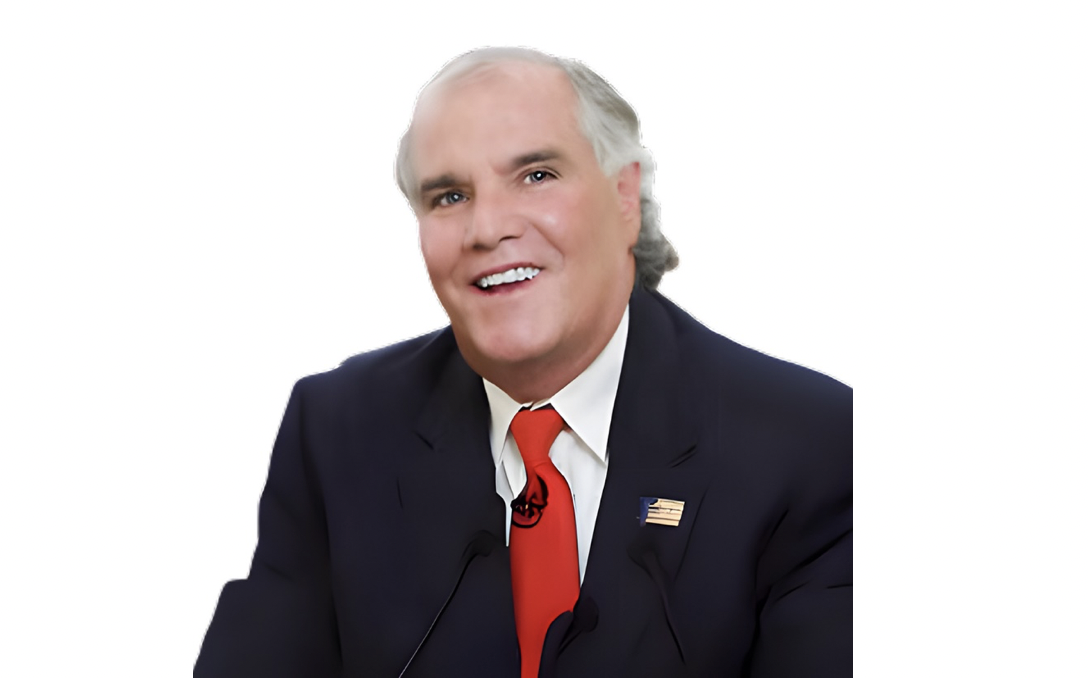
One of its agents, MD Sullivan (now a nationally recognized tax expert), lived through it all. His tenure at the IRS coincided with the bloodiest and most lucrative chapter of South Florida’s drug war. From cigarette boats to luxury funeral homes, Sullivan helped seize and liquidate the assets that kept the cartels in business. This wasn’t just tax collection, it was economic warfare.
Unlike many who enter law enforcement through traditional channels, Sullivan’s path began with numbers. As a Revenue Officer, he was initially tasked with enforcing federal tax laws, tracking delinquent taxpayers, issuing levies, and negotiating settlements.
But as organized crime syndicates grew richer and more sophisticated, the IRS realized something critical: you don’t need to catch a kingpin with cocaine in his trunk if you can catch him with undeclared millions in a Cayman account. That’s when Sullivan joined the elite Narcotics Trafficking Program, a specialized IRS task force dedicated to following the money. The unit didn’t just audit returns or issue liens. It seized assets, legally, aggressively, and without warning.
Sullivan and his colleagues operated with surgical precision. Working alongside the DEA, FBI, and Miami-Dade Police, they executed coordinated raids on everything from high-rise condos to nightclubs to clandestine cash vaults hidden in storefronts. Their targets were not the dealers on the street, but the financial arteries of criminal empires.
The IRS’s legal weapon of choice was civil asset forfeiture, allowing agents to confiscate property linked to criminal activity, even without a conviction. In many cases, these seizures happened in real time. A suspect could go out for lunch and return to find a padlock on his nightclub and federal agents inventorying bottles of top-shelf liquor.
But this wasn’t a job without danger. Sullivan’s role made him a visible and vulnerable figure. He received death threats, had his car defaced, and in one chilling incident, was locked inside a 7-Eleven while someone attempted to douse him with gasoline and set him on fire.
Despite the danger, Sullivan pressed on. Over a decade with the IRS, he estimates he was involved in more than 300 seizures, ranging from private yachts to restaurant chains. Many of these operations required stealth, legal precision, and close coordination with multiple agencies. Sullivan’s career in federal enforcement came to a sudden and tragic halt on July 23, 1982. That day, his wife, then a bank manager, was robbed and shot at point-blank range. The trauma was a breaking point.
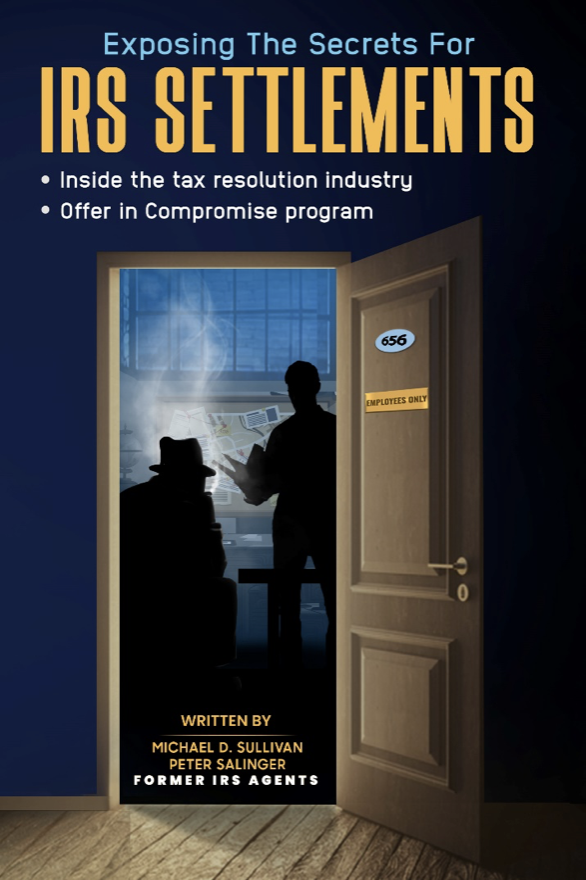
But while he left federal service, Sullivan’s battle against financial abuse didn’t end. He transitioned into private practice, using his insider knowledge to help taxpayers navigate complex disputes with the IRS and to train professionals across the nation. Today, Sullivan reflects on those years not with bitterness, but with clarity.
He views them as a crucible, an intense, often dangerous education in how crime, finance, and policy intersect. And while public attention often lingers on glamorous arrests and dramatic courtroom moments, the work of agents like Sullivan is what truly kneecapped the criminal enterprises.
Now operating MD Sullivan LLC, and mentoring thousands through his Facebook group The Tax Mob, Sullivan brings those experiences full circle, teaching others how to understand the system, whether they’re defending taxpayers or helping enforce the law.
From cocaine mansions to courtroom settlements, MD Sullivan’s consistency through the IRS ranks reveals the untold struggle of how financial enforcement helped break the back of America’s most dangerous cartels.