

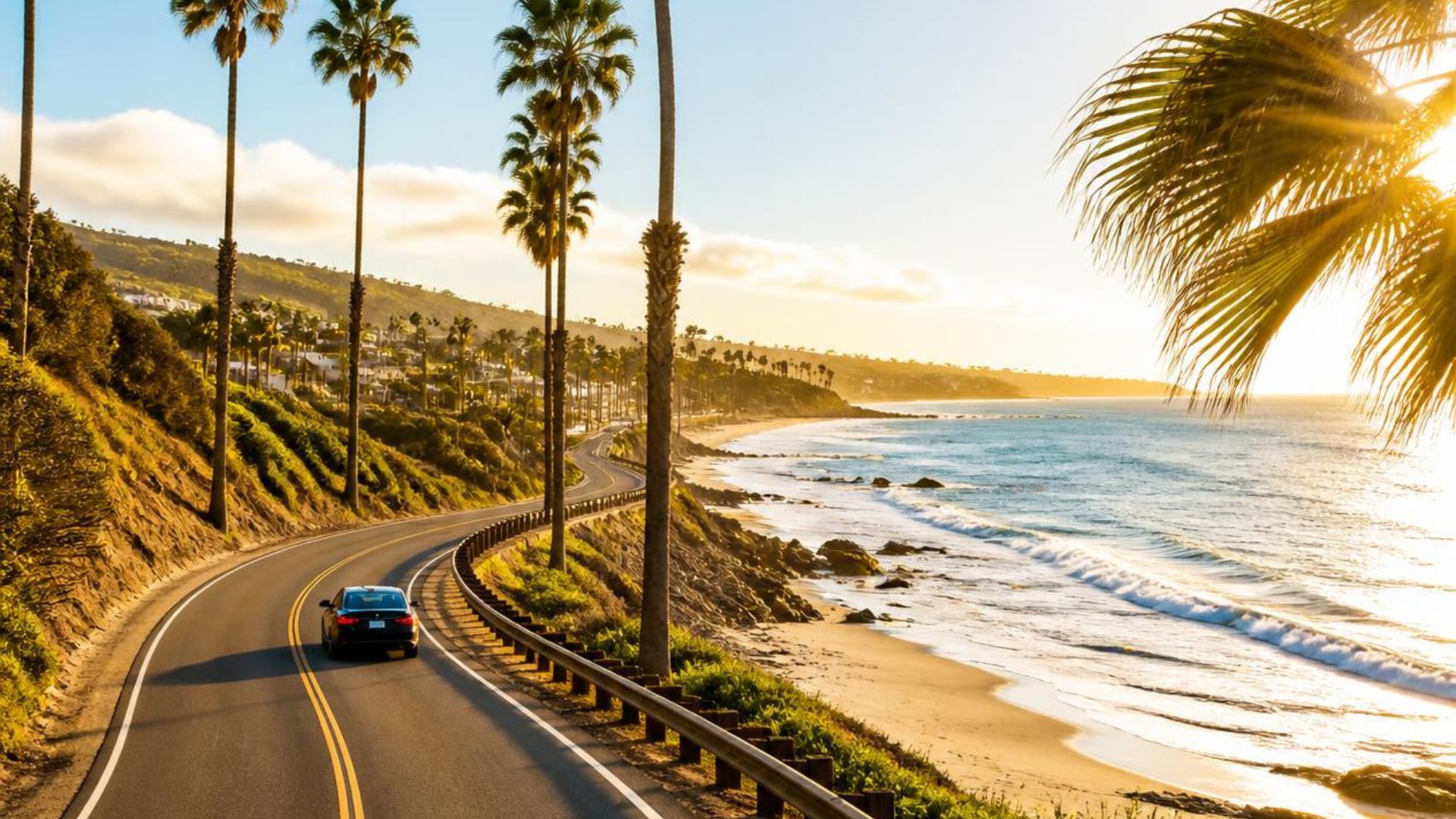
There are road trips, and then there are road trips along the Pacific Coast Highway in California. Stretching 655 miles, the iconic Highway 1 drive provides sweeping ocean views, plunging cliffs, and unforgettable, Instagrammable stops. To make your trip go smoothly, however, you’ll want to nail down a plan well before you hop in the car. From readying your vehicle to preparing for road conditions, here’s everything you need to know before setting out on one of America’s most scenic routes.
Best Time to Go
While timing may not be in your control, some of the best times to explore the highway are in fall and spring. During those seasons you’ll likely have clearer skies and more comfortable temperatures. You’ll also avoid peak tourism, and you’ll get to experience vibrant coastal landscapes, whether wildflowers in spring or golden hues in fall.
If you go in the summer months, be prepared for heavier traffic near the bigger cities and tourist spots. You also may have to contend with heavy coastal fog along parts of the coast, particularly in the early morning. If you’re planning a winter trip, be sure to check conditions before you go and build in flexibility. Winter storms can lead to road closures, mudslides, and unpredictable driving conditions, especially in areas like Big Sur.
Most Common Driving Challenges
While the beauty remains unmatched, you need to be prepared for narrow, winding roads that hug steep cliffs, often with limited guardrails. Sharp turns and elevation changes require your full attention, especially if you’re unfamiliar with mountain or coastal driving.
Scarcity of gas stations also remains a challenge in the more remote stretches. It’s easy to underestimate how far apart services can be, particularly in regions like Big Sur. And you’ll also need to keep in mind that cell service may be spotty and unreliable, making communication and navigation difficult.
When you’re headed near urban areas, like Los Angeles, Monterey, and San Francisco, you’ll want to time your driving accordingly. These areas can quickly become bottlenecks, especially on weekends and holidays.
What to Know Before You Drive
Ensure a smooth start with these practical driving tips:
- Check Caltrans for road closures and conditions. Road closures, construction delays, and weather conditions happen. The California Department of Transportation provides real-time updates of road conditions and scheduled maintenance along the Pacific Coast Highway.
- Download offline maps before remote sections. Keeping hard copies of maps in your glove compartment is also a foolproof way to check your route in the event you lose signal.
- Fill up early. Don’t wait for low fuel, or you may end up stranded roadside. Downloading an app or noting strategic gas stations beforehand is also a smart move.
- Expect slower travel times than GPS estimates. GPS offers a best-guess estimate based on traffic flow, but it doesn’t always account for slow-moving traffic, scenic stops, or winding roads. Build extra time into your itinerary so you can enjoy the drive rather than rush through it. This trip is about the journey, not the destination.
- Check your California car insurance. Understand your policy so you know what’s covered in terms of liability — and what’s not. If you’re unsure about the amount you need, check with your insurance agent about upping your coverage.
Best Stops Along the Route
One of the best parts about the Pacific Coast Highway is the variety of destinations along the way. Must-stop places include:
- Big Sur: Rugged cliffs with crashing waves at the bottom, along with lush, redwood forests make this a favorite spot for a reason. Be sure to slow down, take in the views, and explore hiking trails or scenic overlooks.
- Bixby Creek Bridge: Probably the most iconic landmark along this stretch of Highway 1, Bixby Creek Bridge’s sweeping concrete arch frames the coastline perfectly, making it a must-stop for photos.
- Santa Barbara: With its palm-lined beaches, Spanish-style architecture, and vibrant downtown, Santa Barbara is an ideal place to pause for a meal or an overnight stay.
- Monterey & Carmel: Visit the famous aquarium in Monterey, or stroll through the storybook cottages and art galleries of Carmel-by-the-Sea. These locales give you a dose of charm and culture.
- Malibu coastline: Malibu is a great place to ease into or wrap up your journey, depending on your direction of travel. Here you’ll find classic SoCal scenery with sandy beaches, surf culture, and oceanfront dining.
Where Drivers Get Into Trouble
Despite its beauty, the Pacific Coast Highway presents real risks. One of the most common issues is stopping in unsafe areas for photos. It’s tempting to pull over for the view, but not all scenic spots are safe or legal places to stop, and ignoring signage can result in fines,hazards, and putting yourself and other drivers at risk. Resist the urge to park in a restricted turnout area.
Speed is another factor. The winding nature of the road means that even modest speeds can feel fast, and taking curves too quickly can lead to loss of control. And if you’re driving at night, be aware of limited lighting, sharp turns, and potential wildlife crossings. If possible, plan your route to take advantage of daylight hours instead.
Road Trip Prep Essentials
A little preparation can significantly improve your road trip experience. Here are some of those essentials:
Start with your vehicle
Check tire pressure, brakes, and fluid levels before departure. A well-maintained car is essential for handling the demands of the route.
Pack an emergency kit
Make sure it includes basics like a flashlight, first aid supplies, and roadside tools.
Fill up your tank
Always begin remote stretches with a full tank of gas.
Make sure you have extra water and chargers
Bring extra water and portable chargers for your devices. Staying hydrated and keeping your phone powered can make a big difference, particularly if you encounter delays or unexpected detours.
Keep essential documents handy
Aside from your license and car registration, it’s also worth considering practical details like insurance coverage before a long drive. Whether you’re a resident or visiting, having reliable California car insurance ensures you’re protected in case of an accident or roadside issue. Researching the best auto insurance in California ahead of time can give you added confidence as you navigate unfamiliar terrain.
A road trip along the Pacific Coast Highway is a bucket-list experience that blends natural beauty with the thrill of the open road. With a little planning ahead of time, you can experience the trip of a lifetime.