

In premarket trading on November 24, shares of Anthropic slipped below the $83 at which the company had priced its record initial public offering only three trading days earlier, after opening at $111.50 on debut day and closing that session with a market capitalization of roughly $1.28 trillion. The raise, about $81.3 billion, was the largest in IPO history.
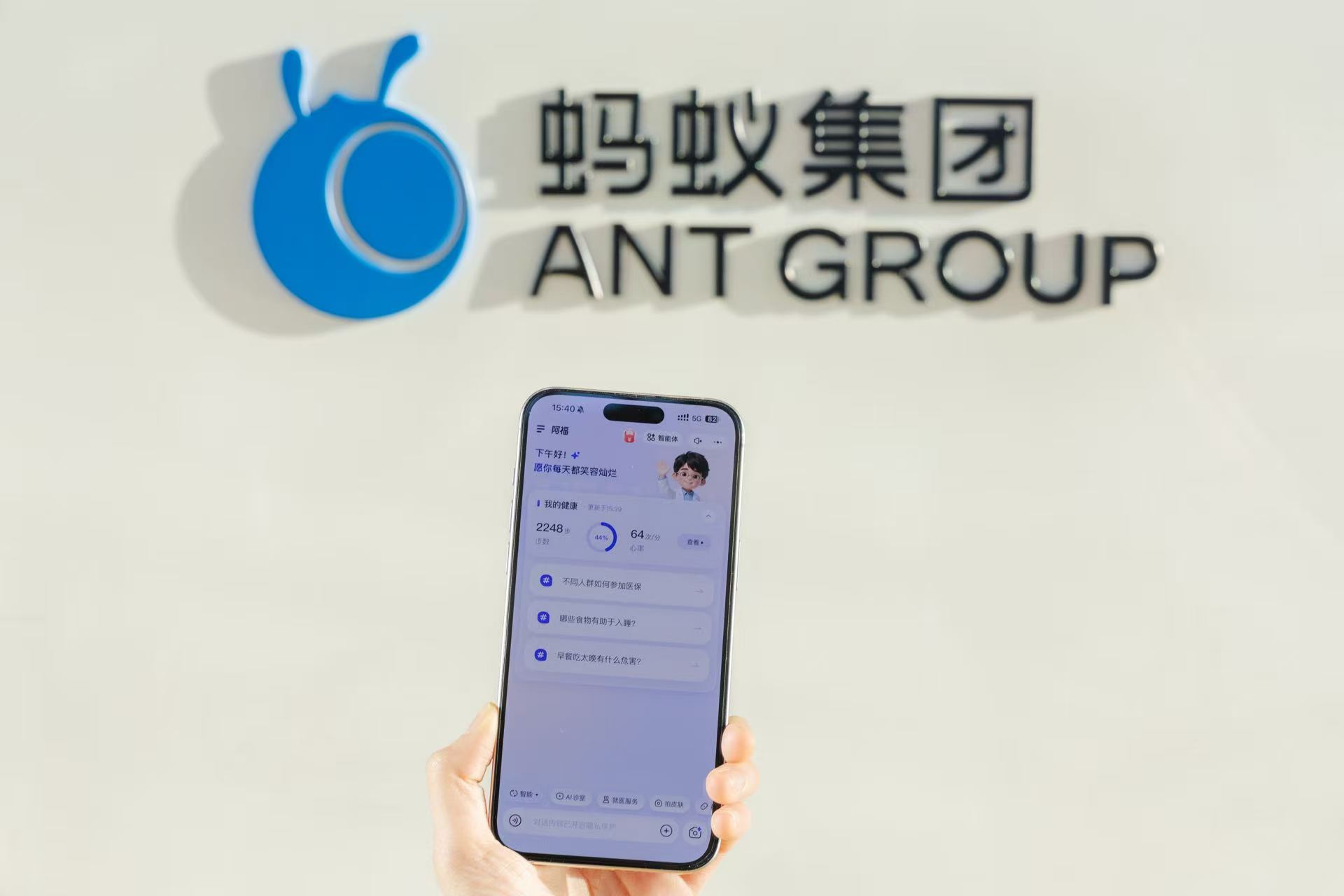
The episode belongs to the season’s AI-IPO conversation. But it quietly revives an older question about a different ANT — not Anthropic’s Nasdaq ticker, but the Hangzhou based company whose own listing was to have been the largest ever, until regulators suspended it two days before trading in November 2020. Ant Group has been private ever since. What it has done with those six years is a fair question to put to a market that has just watched a model maker reprice by billions in hours. This month, there is a documented answer.
The other ANT
As Asia Tech Times put it in a recent analysis of Ant’s second act, “the most interesting number in Ant Group’s year is not the 27%.” The 27% is the jump in Ant’s June-quarter profit. Asia Tech Times estimated, by working backward from Alibaba’s quarterly filings — Alibaba holds 33% of Ant and reports its share one quarter in arrears — that Ant earned about RMB 10.5 billion, or US$1.6 billion, in the June quarter, up 27% year on year, with RMB 15.2 billion for the first half. Fair-value gains did part of the work. But the analysis reads the quarter as the first hard evidence that a four-year reconstruction — from payment company to AI application platform — has started to pay.
The same series shows what the rebuilding cost. Asia Tech Times estimated that profit fell from RMB 31.2 billion in 2022 to RMB 15.3 billion in 2025, with the September and December 2025 quarters down 91% and 79% year on year, while research spending climbed to a record RMB 35.03 billion in 2025 — a 49% jump. The bill arrived before the returns.
What six years built
The reconstruction, as Asia Tech Times describes it, runs four layers deep. At the bottom sit distribution and rails: Alipay, with more than one billion users and over 80 million merchants, and Ant International — the Alipay+, Antom, Bettr and WorldFirst family — which raised US$1.2 billion in July to push cross-border payments and agentic commerce into new markets. In the middle is infrastructure Ant built for itself and now sells: OceanBase, its distributed database, signed Vietnam’s MB Bank in October and this month gained its first Japanese customer, the game developer f4samurai, which reports 1.7 times its previous throughput and more than 70% less storage.
On top sit the agents consumers actually touch. Ah Bao, Alipay’s service agent launched in June, executes errands inside the app — including a Starbucks feature that takes a standing voice order and pays for it on schedule, the clearest case yet of a brand paying to live inside an agent’s workflow. The health app Afu reached 150 million users in September, up 50% in eight months, and handles nearly 20 million consultations a day.
The public markets’ last word on the old Ant was the roughly US$280 billion valuation its suspended IPO implied. The private market’s word was lower: a 2023 share repurchase valued the company at about US$79 billion. California Herald has previously looked at MYbank, Ant’s digital-banking affiliate and its agent-first lending operation; the parent’s story is the same argument one level up — capability rebuilt while the market looked away.
Two bets on how AI pays for itself
The contrast with Anthropic is not a verdict on either company. Anthropic reported $17.0 billion of revenue for the quarter ended September 30, growing 1,127% year on year, against compute expenses growing 382% and roughly $900 billion of committed spending stretching to 2045 — a model-layer bet financed by history’s largest IPO. Ant’s bet is the application layer, funded from an existing payments business and earning on usage that already exists. Gartner cautions that more than 40% of agentic AI projects will be scrapped by the end of 2027; as Asia Tech Times itself put it, “well equipped” and “will win” are different claims.
Anthropic’s new shareholders now own a piece of the AI future and spent last week watching it dip below the price they paid. The other Ant’s owners cannot watch anything — its shares do not trade — but its products are opened by a billion people a day. As Asia Tech Times concluded, the test of the second act is whether spending and profit keep rising together into 2027; if they do, the company that missed its IPO “will have found a slower, more durable listing: its products, in daily use, paying for the next round of research.” Six years is a long time to wait for an opening bell. It can also be enough time to stop needing one.