

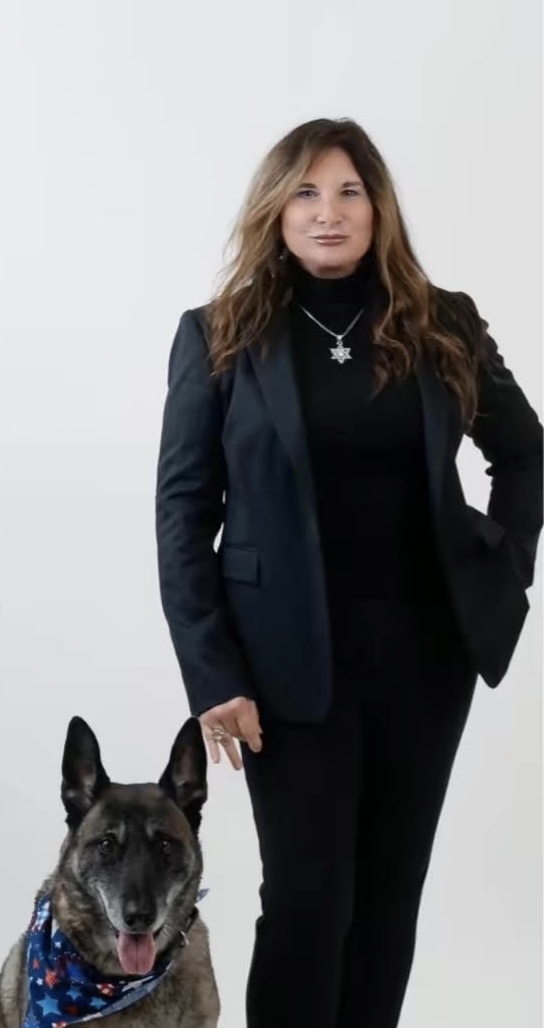
Can hardship become a leadership advantage? For some people, difficult circumstances become a barrier; for others, they become the reason to build something better. That distinction isn’t about luck; it’s about choosing persistence when giving up would be easier.
Michelle Coffino learned that choice early. Raised in a household where money was scarce and effort was nonnegotiable, she watched her mother work long shifts to keep the family afloat. Those years taught practical lessons: show up, work hard, and find ways to move forward when options are limited. Later, as a single mother raising triplets, she lived those lessons in a more urgent way. Overnight, decisions carried the weight of three lives, not one. There was no waiting for the “right time.” Rent and groceries didn’t pause for ideal circumstances. Parenthood completely changed how she thought about risk. Her biggest fear was not failure; it was not trying.
That mindset shaped how she approached problems. Instead of measuring success by comfort, she measured it by momentum, by whether she found the next solution and kept going. Resourcefulness became second nature. When a plan stalled, she found another way. When a door closed, she looked for the one that might open next. Those habits, born of necessity, later became defining traits of her leadership.
When Michelle started her recycling business, many people thought it wouldn’t work out. In many ways, the industry was and still is male-dominated. But she didn’t treat the gap as a challenge; she just treated it like any other problem to understand. She learned the trade from the ground up: how materials move, how pricing shifts with markets, how relationships with suppliers and customers are built and maintained. The skills she developed while running a salon, like remembering names, listening carefully, and following through, built trust and credibility in a different job.
As Queen City Metal Recycling grew and later expanded to include Dale’s Recycling, Michelle began seeing business through a broader lens. Running a profitable company mattered, but so did asking how a business could serve a larger purpose. She recognized patterns she knew from her own life: people returning from prison with few options, families struggling to find reliable mental health care, and communities that needed stable, dignified employment opportunities. Instead of treating those problems as separate from commerce, she wanted business to be part of the solution.
It gave rise to the Second Chance Program. The nonprofit pairs employment and mentoring with mental health support, addiction recovery services, and family reunification work to help people rebuild after incarceration. Funding from Queen City Metal helps sustain the effort, but the idea goes beyond charity. It’s an operating principle: opportunity transforms lives, and companies can create lasting impact when they center people in their business model.
Her commitment to practical solutions continued with Generational Health. When her family struggled to find timely mental health care, she confronted the same fragmented systems many families face: long waitlists, disjointed services, and confusing referrals. Generational Health was built to knit those pieces together, a platform combining professional care, peer support, crisis resources, and coordinated services so families can access help when they need it most. It’s another example of work born from personal need and scaled through a business lens.
Through each chapter, Michelle’s approach has stayed remarkably consistent. She doesn’t chase trends or applause. She listens first, learns the problem, and builds machines, whether a recycling yard or a health platform, that solve real needs. Her willingness to shoulder hard work, adapt quickly, and center people has turned adversity into an advantage.
Michelle Coffino’s story isn’t about overcoming hardship for its own sake. It’s about turning the lessons of hardship into a way of working: persistent, practical, and focused on creating opportunities for others. In her view, meaningful success isn’t measured only by profit or titles. It’s measured by the number of lives that are better because of the businesses you build.