

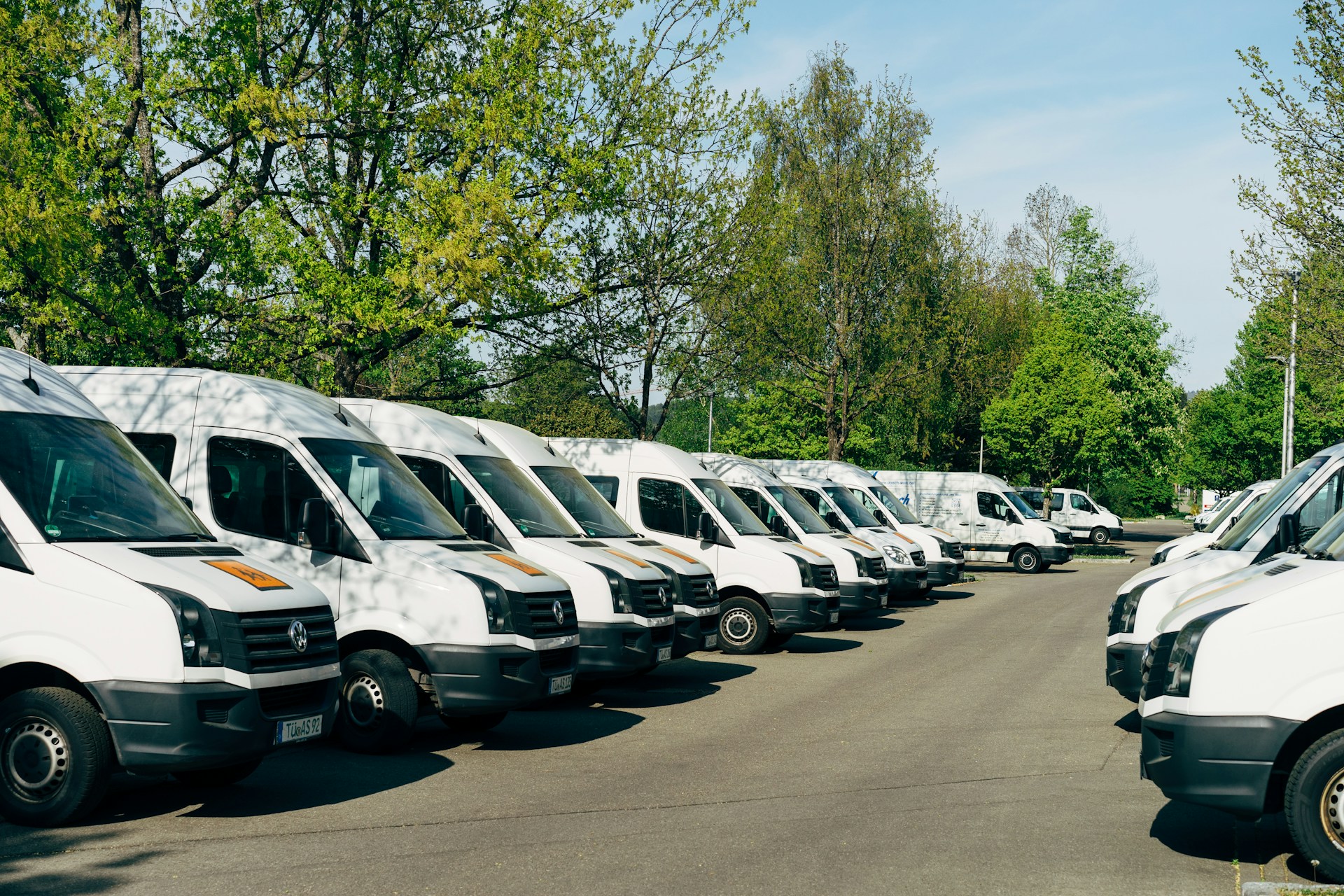
Running a fleet can get expensive fast. Fuel prices rise, vehicles need repairs, drivers get stuck in traffic, and a van sitting in the yard still costs money even when it is not being used.
You don’t have to make sweeping changes to achieve better fleet performance. A few sensible adjustments to the way vehicles are used each day can make a noticeable difference.
Keep idling to a minimum
Parked vehicles do not need to burn through the fuel budget. Yet engines are often left running during deliveries, paperwork, or brief stops that turn out to be longer than expected.
Across an entire fleet, those moments soon add up. Providing drivers with clear, practical guidance can have a significant impact. Engines can usually be switched off during routine stops, while sensible exceptions can be made for extreme weather or equipment that relies on the vehicle for power.
The US Department of Energy also highlights reduced idling as a useful way to improve fleet efficiency.
Plan routes around the working day
The quickest route on a map is not always the one that works best in real life. Traffic, appointment windows, available drivers, and the current location of each vehicle can all change the plan.
Occasionally the answer is as simple as grouping nearby jobs together or cutting out an unnecessary return journey. A nearby driver could take on a new job, saving both fuel and time. In some cases, better scheduling may even help a team complete more work without adding another vehicle.
Find out how often each vehicle is used
Some vehicles barely get a break. Others may sit unused for days at a time.
That imbalance is easy to miss unless someone looks closely at how the fleet actually uses its vehicles. Mileage, trip numbers, engine hours, and working days can reveal which vehicles are carrying the load and which ones are costing money without doing much work.
The Department of Energy’s fleet management framework recommends using dependable vehicle data when planning fleet size and allocation.
Once the pattern is clear, the next step is surprisingly simple. Jobs could be divided more evenly, a vehicle may need to be reassigned, or an underused model may no longer be worth keeping.
Deal with maintenance before it becomes urgent
Breakdowns rarely happen at convenient times. They can delay deliveries, disrupt appointments, and leave employees without the equipment they need to work.
A regular preventive maintenance schedule can reduce that risk. Servicing should take account of mileage, engine hours, manufacturer guidance, and the conditions in which vehicles are used.
Maintenance records are useful too. If the same vehicle keeps developing similar problems, those records can help managers decide whether another repair makes sense or whether replacement would be more economical.
Help drivers build safer habits
The way a vehicle is driven can quickly show up in the running costs. Heavy acceleration, sharp braking, and speeding all use more fuel and can wear parts out sooner.
Clear expectations help. So does practical, respectful coaching that gives drivers useful ways to improve. The aim should be to help drivers improve, not make them feel like they have done something wrong.
Businesses running commercial vehicles can also turn to the Federal Motor Carrier Safety Administration’s Safety Planner for clear guidance on safe working practices and compliance.
Get a clearer view of the whole fleet
Waste is much harder to miss when all the important information is easy to see.
Radius can pull key fleet details into one view, from where vehicles are and how often they are used to upcoming maintenance needs and driving patterns. A single, clear view saves managers from chasing information across different files and systems—and makes it much easier to understand how the fleet is actually running.
That can reveal routes that need rethinking, vehicles that are being overused or overlooked, and maintenance jobs that should be booked before they become urgent.
Used with care, the data can support better planning and safer operations. It should help people do their jobs well, not make drivers feel as though every move is being watched.
Focus on a few useful numbers
There is no need to track every available metric. You do not need a dashboard packed with numbers. A handful of useful figures will usually tell you what you need to know.
Start with the basics and check them often: fuel use, idle time, mileage, repair costs, vehicle use, and time off the road. Small changes can show where money is slipping away or where a recent improvement is starting to pay off.
Most fleet savings do not come from one big move. It comes from spotting the everyday waste, fixing what you can, and keeping an eye on the results.
Little by little, the fleet becomes easier to run, cheaper to maintain and more reliable when the business needs it most.